

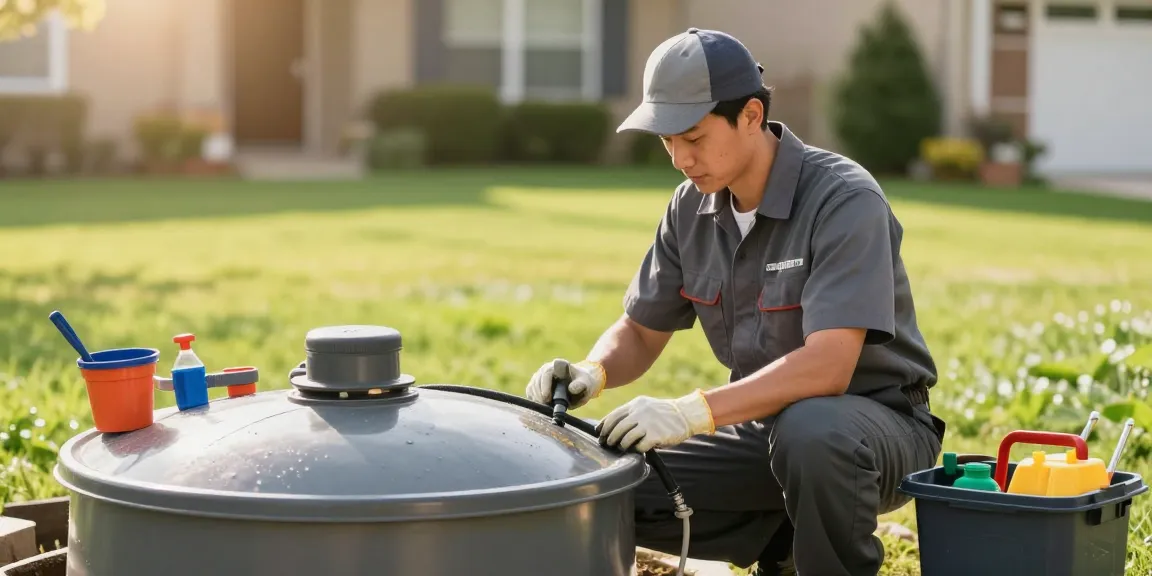
Understanding Septic Cleaning Services
Maintaining a healthy and functioning septic system is essential for homeowners, especially in areas where public sewage systems may not be available. Regular septic cleaning is key to avoiding costly repairs and ensuring the longevity of your septic system. Understanding what septic cleaning involves, how to prevent common issues, and the importance of regular maintenance can empower homeowners to take charge of their septic health.
What is Septic Cleaning?
Septic cleaning refers to the process of removing sludge and scum that accumulate in your septic tank over time. This service is crucial because organic waste, grease, and other solids can build up and lead to system failures if not appropriately managed. Most professionals recommend having your septic tank cleaned every 3 to 5 years, depending on usage and the number of residents in your home.
Common Septic System Issues and Solutions
- Clogs: Regular septic cleaning prevents clogs by removing accumulated debris. If you experience slow drains, it could indicate a clog in the septic system.
- Backups: Septic backups occur when the tank is overflowing due to lack of maintenance. Cleaning can help mitigate this risk.
- Odors: Foul smells around your septic system area can mean potential problems. Cleaning eliminates buildup that might cause these odors.
Importance of Regular Maintenance
Keeping up with regular septic cleaning and maintenance not only keeps your system functioning well but also protects your property and environment from hazardous waste leaks. Failing to maintain your septic system can lead to significant health hazards and costly repairs.
Choosing the Right Local Septic Service Provider
Selecting a reliable septic service provider is paramount for effective maintenance and cleaning. It’s essential to consider several factors that not only influence your service quality but also your budget and peace of mind in the long run.
Factors to Consider When Hiring a Professional
- Licensing and Certification: Ensure the provider is licensed and certified to operate in your area, which signifies compliance with industry standards.
- Experience: An experienced contractor is more likely to handle unexpected issues efficiently.
- Insurance: The company should be insured to protect you from liability in case of accidents.
Key Questions to Ask Potential Contractors
- What specific services do you offer for septic cleaning?
- Can you provide a written estimate and timeline for the work?
- Do you have references or reviews from previous customers?
- What standard practices do you follow for septic maintenance?
Check Licensing and Credentials of Providers
Before hiring a septic service provider, validate their license and certifications. Most states have a regulatory body that can provide this information. A licensed contractor adheres to local laws and regulations, ensuring that the job is done correctly and safely, reducing potential headaches in the future.
Cost Breakdown for Septic Cleaning in 2026
Average Costs & Factors Affecting Pricing
The cost to clean a septic tank can vary widely based on numerous factors, including tank size, location, and the extent of work required. As of 2026, homeowners can expect to pay between $250 and $700 for septic cleaning services. On average, costs hover around $400, but larger tanks or more complicated situations may push these estimates higher.
When to Schedule Service for Best Rates
Scheduling your septic cleaning during off-peak seasons, typically fall or spring, can help reduce costs. Many service providers offer promotions or lower rates during these times when demand is lower.
Comparison of DIY vs. Professional Service Costs
| Service Type | Estimated Cost | Recommendation |
|---|---|---|
| DIY Cleaning (if possible) | $50 – $150 | Not recommended; could lead to hazards |
| Professional Septic Cleaning | $250 – $700 | Highly recommended for safety |
Customer Reviews and Testimonials
How to Find Reliable Feedback on Contractors
The best way to gauge a contractor’s reliability is through customer reviews. Websites like Yelp, Google Reviews, and Angie’s List can provide valuable insights into past customer experiences, allowing you to make informed decisions.
Impact of Reviews on Service Choices
Positive reviews can greatly influence your choice of service provider. However, remember to look for consistent themes in reviews rather than isolated experiences, as they offer a more accurate picture of a company’s reliability.
Case Studies: Successful Septic Cleaning Stories
Many local providers showcase their successful projects and customer testimonials on their websites. These case studies often highlight how professional cleaning saved the homeowner from potential disasters, influencing your choice.
Maintenance Tips for Homeowners
Seasonal Cleaning Guidelines
Establishing a seasonal maintenance schedule, including an annual inspection and cleaning, can drastically improve the health of your septic system. Consider the following guidelines:
- Inspect your system in the spring and fall.
- Schedule cleaning once every 3-5 years.
- Keep records of all services performed on your system.
Emergency Services: What to Do When Things Go Wrong
In case of a septic emergency, such as backups or overflowing tanks, it is crucial to act quickly. Your first step should be to identify a reputable local septic service that offers emergency services so you can mitigate damage and ensure safety swiftly.
Community Resources for Local Septic Care
Many local health departments and environmental agencies provide resources on septic care and maintenance. They often host workshops and give advice on best practices for septic system upkeep, which can be beneficial for homeowners.
FAQs
1. How often should I have my septic system cleaned?
It’s recommended to clean your septic system every 3-5 years, but this can vary based on usage patterns and the number of residents in the home.
2. What are the signs of a failing septic system?
Signs can include slow drains, gurgling sounds in pipes, bad odors near the septic area, and wet spots on the lawn above the septic system.
3. Can I perform septic cleaning myself?
While DIY solutions exist, septic cleaning is best left to professionals due to the health risks and the need for specialized equipment.
4. What is the difference between septic cleaning and pumping?
Septic cleaning refers to the complete removal of sludge and scum, while pumping typically refers to extracting only the liquid from the tank.
5. How do I choose a reliable septic cleaning service?
Look for licensed, insured, and experienced providers. For more information, Miltonsepticpumping.com offers valuable insights. Checking customer reviews and asking for references can also help you make an informed decision.
