
What is CBD and How Does It Work?
Definition and Chemical Composition of CBD
Cannabidiol, commonly known as CBD, is a naturally occurring compound found in the cannabis plant. It is one of over a hundred active cannabinoids present in cannabis and accounts for approximately 40% of the plant's extract. Unlike its more famous counterpart, tetrahydrocannabinol (THC), CBD is non-psychoactive, meaning it does not produce the "high" typically associated with cannabis consumption. This unique property of CBD has contributed to its growing popularity as a wellness supplement.
Chemically, CBD is known as C21H30O2, characterized by its structure which consists of five carbon rings, a phenolic group, and various functional groups that contribute to its interaction with the endocannabinoid system in the body. Understanding the chemical makeup of CBD not only clarifies its properties but also aids in comprehending how it affects human physiology.
Differences Between CBD and THC
It is pivotal to understand the differences between CBD and THC to fully appreciate the benefits and applications of CBD. While both are derived from the cannabis plant, their effects on the body are markedly different. THC is known for its psychoactive properties, binding directly to the CB1 receptors in the brain, which leads to the euphoric feelings commonly associated with cannabis use.
On the other hand, CBD interacts indirectly with the endocannabinoid system. It modulates the effects of THC and can actually counteract some of its psychoactive effects. For instance, while THC may promote feelings of anxiety in some users, CBD has been shown to alleviate anxiety, making it a preferred choice for individuals seeking relief without the high. This difference is particularly significant for those who wish to explore the therapeutic potentials of cannabis without experiencing the intoxicating effects of THC.
Mechanisms of Action in the Body
The mechanisms through which CBD operates involve a complex interaction with the endocannabinoid system (ECS), which plays a crucial role in maintaining homeostasis within the body. The ECS is composed of endocannabinoids, receptors, and enzymes. CBD does not bind directly to cannabinoid receptors as THC does; instead, it influences how other cannabinoids bind to these receptors, enhancing or inhibiting their effects. It has been suggested that CBD increases the levels of anandamide, the so-called "bliss molecule," which contributes to feelings of well-being and happiness.
Furthermore, CBD reduces inflammation and modulates the immune response, which can be particularly beneficial in treating chronic pain and autoimmune conditions. By engaging various receptors, such as TRPV1 and GPR55, CBD can provide diverse therapeutic effects, contributing to its rising status in the health and wellness sectors.
Health Benefits of CBD
How CBD Supports Mental Well-being
One of the most widely recognized benefits of CBD is its potential to support mental well-being. Research indicates that CBD may reduce anxiety and depressive symptoms by influencing serotonin pathways in the brain. Serotonin is a neurotransmitter known to play a key role in mood regulation. Studies have shown that high doses of CBD can significantly decrease anxiety in both animal and human models, offering a promising alternative for those seeking non-pharmaceutical interventions for anxiety disorders.
Moreover, CBD may aid in managing conditions such as post-traumatic stress disorder (PTSD) through its anxiolytic properties, promoting emotional resilience. While more research is needed to establish conclusive effects, preliminary findings suggest that CBD could serve as a viable option for individuals looking to enhance their overall mental well-being.
Potential Relief for Chronic Pain
CBD has gained recognition as a potential remedy for chronic pain relief. Its anti-inflammatory properties are particularly beneficial for individuals suffering from conditions such as arthritis, fibromyalgia, and other inflammatory diseases. By interacting with the receptors in the endocannabinoid system, CBD may help to reduce pain perception and inflammation, leading to a better quality of life for those affected by persistent pain.
In clinical studies, patients reported significant pain reduction when using CBD, especially in conjunction with other therapies. The multifaceted approach of CBD, which addresses both the physical and mental aspects of pain, positions it as a valuable component of pain management protocols.
Impact on Sleep Quality and Disorders
Many individuals struggle with sleep disorders, including insomnia, which can severely impact overall health. CBD may offer therapeutic effects for those seeking to improve sleep quality. By addressing underlying issues such as anxiety and chronic pain, CBD enables users to relax more effectively, thereby facilitating better sleep.
Additionally, some research points to CBD's ability to increase overall sleep duration and improve sleep quality without the grogginess associated with many conventional sleep medications. Users have reported falling asleep faster and experiencing deeper sleep cycles, making CBD a potential natural solution for promoting restful sleep.
Forms of CBD Products Available
Overview of CBD Oils and Tinctures
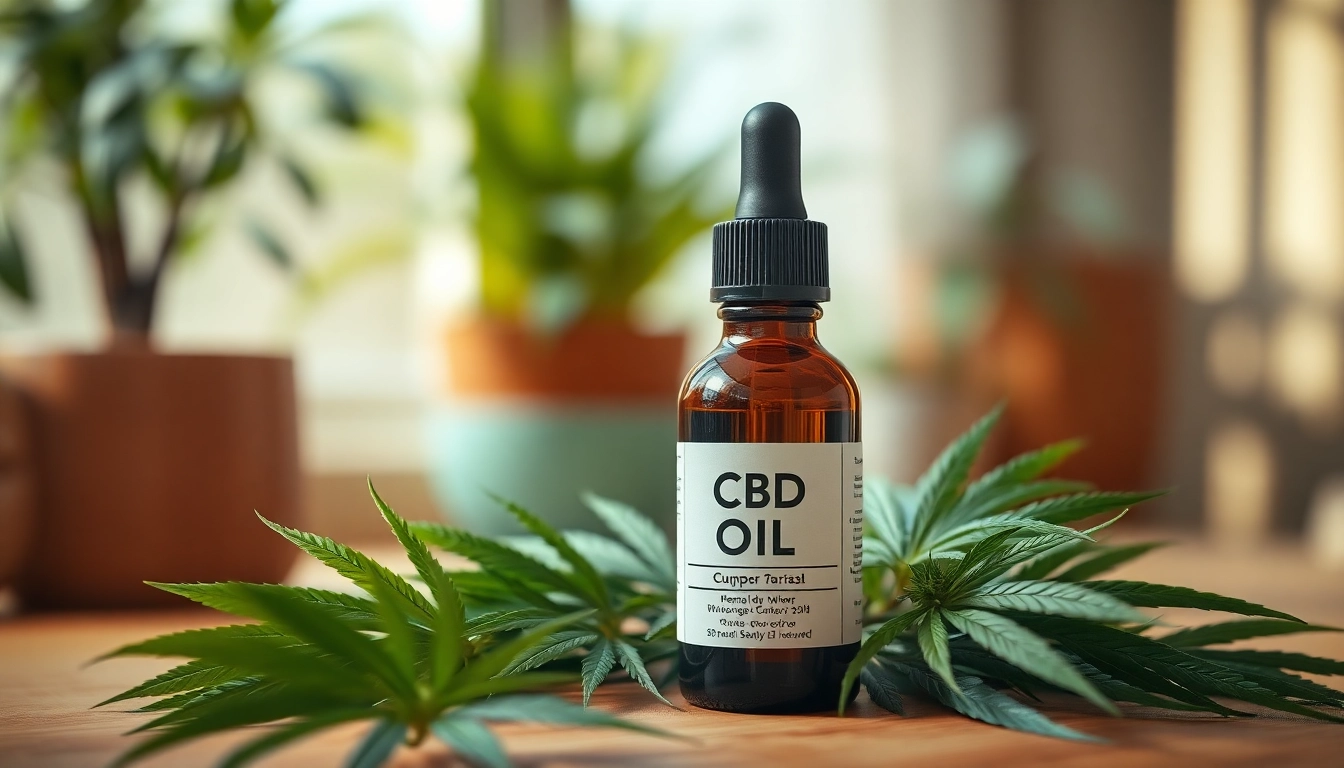
CBD oils and tinctures are among the most popular forms of CBD products available on the market. These products are typically made by extracting CBD from hemp flowers and blending it with a carrier oil. The resulting tinctures are often consumed sublingually (under the tongue), which allows for faster absorption into the bloodstream.
The selection of oils can vary widely, from full-spectrum, which contains a range of cannabinoids and terpenes, to isolate options, which provide pure CBD without other cannabinoids. Users may prefer the full-spectrum products for the entourage effect, where the combined effect of cannabinoids may yield enhanced therapeutic benefits.
Edibles: Gummies vs. Capsules
CBD edibles, such as gummies and capsules, provide a convenient and tasty way to integrate CBD into daily routines. Gummies are particularly favored for their ease of use and flavor variety, making them appealing to those who may be hesitant to use oils or tinctures. They typically feature predetermined doses which help users manage their intake effectively.
On the other hand, capsules offer a discreet mode of consumption, delivering a fixed amount of CBD per serving without any added sugars or flavors that gummies may contain. Both forms allow consumers to enjoy the benefits of CBD in a more palatable way, aligning with various lifestyle preferences.
Topical Applications: Creams and Balms
Topical applications of CBD have gained traction, especially among individuals seeking localized relief from pain and inflammation. CBD-infused creams and balms can be applied directly to the skin, allowing for targeted treatment in specific areas such as sore joints or muscles.
The skin is rich in cannabinoid receptors, making it an effective site for the absorption of CBD. This localized approach allows consumers to potentially skip the systemic effects and focus on specific areas of discomfort. Many users appreciate the therapeutic benefits of topical CBD for their non-intrusive application method and the absence of psychoactive effects.
Safety and Side Effects of CBD Use
Common Side Effects Reported
While CBD is generally considered safe, it is not entirely free of side effects. Some users may experience gastrointestinal discomfort, such as diarrhea or nausea, as well as changes in appetite or drowsiness. It's crucial for consumers to be aware of these potential effects, especially if they are new to CBD usage.
In clinical studies and anecdotal reports, side effects are often mild and usually resolve as the body adjusts to the compound. However, individuals should consult healthcare professionals, especially if they have pre-existing conditions or are taking other medications.
Interactions with Other Medications
One of the essential considerations for CBD users is the potential for interactions with other medications. CBD metabolizes in the liver through the cytochrome P450 enzyme system, which processes many pharmaceuticals. Patients taking medication should be cautious and consult healthcare providers to avoid unintended interactions that could either amplify or diminish the effectiveness of prescribed treatments.
Research into the specific interactions between CBD and various medications is ongoing. However, maintaining open communication with healthcare professionals ensures that individuals can utilize CBD safely alongside their existing medication regimens.
Regulatory Status and Quality Control
The regulatory landscape surrounding CBD is rapidly evolving. While the 2018 Farm Bill legalized hemp-derived CBD, the FDA still has a significant role in overseeing the safety and labeling of CBD products. Consumers should be mindful of the regulatory status of products and prioritize brands that adhere to stringent quality control measures.
One of the main concerns consumers face is the quality and purity of CBD products. Independent third-party lab testing can provide transparency regarding cannabinoid content and the absence of harmful residues. Reputable brands should offer clear labeling and access to such testing to ensure customers are buying safe and effective products.
Choosing the Right CBD Product for You
Factors to Consider: Dosage and Concentration
When selecting a CBD product, it's essential to consider the dosage and concentration that best aligns with individual goals and needs. Every person responds differently to CBD, and effective dosing may vary based on factors such as body weight, metabolism, and the specific condition being addressed.
A general guideline is to start with a low dose and gradually increase until the desired effects are achieved. Many products provide recommended dosages, but it may require some experimentation to find what works best. Patience and attention to how one’s body responds to CBD are critical during this process.
Identifying Reputable Brands and Products
Not all CBD products are created equal. Identifying reputable brands is essential for ensuring product quality and safety. Factors to consider include transparency in sourcing practices, quality control measures, customer reviews, and adherence to regulatory standards. Brands that provide detailed product information and third-party test results are generally more trustworthy.
Additionally, consumer forums and reviews can serve as valuable resources for gauging the effectiveness of specific products and brands. Engaging with the community and learning from the experiences of others can foster informed decision-making when selecting CBD products.
Consulting Healthcare Professionals
Before starting any CBD regimen, especially for individuals with existing health issues or those taking medications, consulting with a healthcare professional is imperative. An experienced provider can offer guidance on proper dosing, potential interactions, and suitable product types to align with one’s health goals.
Healthcare providers familiar with cannabinoid therapies can also provide support in monitoring the effects of CBD, ensuring that individuals can optimize their usage safely and effectively.