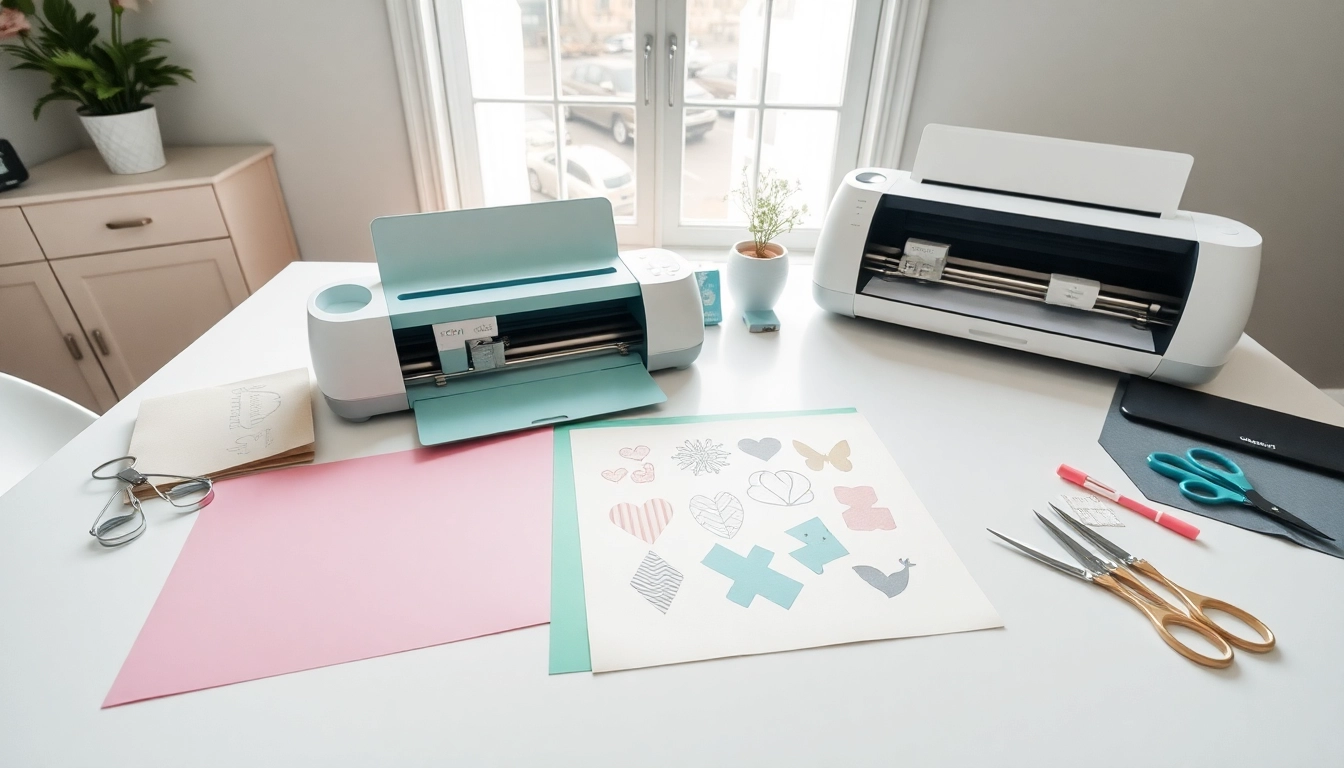
Understanding the Basics: Silhouette vs Cricut
When it comes to crafting, two names often dominate the conversation: Silhouette and Cricut. Both brands offer cutting machines that appeal to hobbyists and professionals alike, but the choice between them can significantly impact your crafting experience. In this guide, we will dive deep into the features, performance, and long-term value of these machines, providing you with the insights necessary to make an informed decision. Whether you are a beginner or a seasoned user looking to upgrade, understanding the nuances between Silhouette and Cricut is essential. For detailed comparisons and insights, refer to this silhouette vs cricut resource.
1. Key Features of Cricut Machines
Cricut machines are well-known for their versatility and user-friendly interfaces. The most popular models, such as the Cricut Maker and Explore series, come packed with a variety of features that cater to different crafting needs. Key features include:
- Adaptive Tool System: The Cricut Maker offers an adaptive tool system that allows you to use various tools for cutting, writing, and scoring, expanding your creative possibilities.
- Smart Cut Technology: This technology provides precise adjustments based on the material being used, ensuring clean and accurate cuts every time.
- User-Friendly Software: Cricut Design Space is intuitive, making it easy for beginners to start crafting right away while offering advanced features for more experienced users.
2. Key Features of Silhouette Machines
Silhouette machines, particularly the Cameo series, are favored for their advanced capabilities and robust software options. Here are some hallmark features of Silhouette machines:
- Cutting Depth: Silhouette machines, like the Cameo 4, can cut deeper than many Cricut models, making them suitable for thicker materials such as chipboard.
- Software Versatility: Silhouette Studio offers advanced design capabilities, including the ability to create intricate designs from scratch, which can be particularly beneficial for artists.
- Ability to Print and Cut: Silhouette's print-and-cut feature allows users to print designs on a regular printer and then cut them accurately with the machine, opening up a world of possibilities for stickers and labels.
3. How to Decide What's Best for Your Needs
Choosing between Silhouette and Cricut ultimately depends on your crafting goals and preferences. If you're looking for a machine that excels in user-friendliness and a wide range of accessories, Cricut may be the better choice. Conversely, if you value advanced design features and material versatility, Silhouette could be more aligned with your needs. Consider your typical projects and what features will serve you best.
Comparative Analysis: Performance Showdown
1. Cutting Precision and Quality
Both Cricut and Silhouette machines offer high cutting precision, but they achieve this in different ways. Cricut is renowned for its cutting quality, especially with intricate designs, while Silhouette machines are celebrated for their ability to handle various materials. Testing both on different materials such as paper, vinyl, and fabric can help you discern which machine delivers the quality you need.
2. Speed and Efficiency: Who Wins?
In terms of speed, Cricut machines generally perform faster than Silhouette devices, allowing users to complete projects more quickly. However, the efficiency of each machine can vary based on the complexity of the project. For example, while the Cricut may cut quicker, Silhouette's strength lies in handling more complex cuts without sacrificing quality. It's essential to evaluate your project requirements to identify which is more efficient for your specific needs.
3. Material Compatibility for Advanced Projects
When it comes to material compatibility, Silhouette machines have the edge due to their ability to cut thicker materials. Cricut machines, while versatile, have a narrower range. Silhouette's ability to handle more complex and varied materials, such as leather and wood, makes it a favorite among more experienced crafters and those pursuing professional projects. Assessing the types of projects you plan to undertake will guide your choice here.
Software Comparison: Cricut Design Space vs Silhouette Studio
1. User Experience: Interface and Design Tools
Cricut Design Space offers a streamlined interface that is easy to navigate, making it beginner-friendly. The software is cloud-based, which allows users to access their projects from any device. In contrast, Silhouette Studio is more feature-rich, providing advanced tools for design, but can be overwhelming for new users. Understanding your comfort level with design software can help you choose the most suitable option.
2. Advanced Features and Customization Options
Silhouette Studio excels with its advanced design capabilities, allowing for greater creativity and customization. Cricut Design Space, while robust, focuses more on ease of use and fast project execution. If you prefer a platform that offers detailed customization options, Silhouette may be your best bet. Conversely, if you want efficiency and straightforward tools, Cricut is the way to go.
3. Subscription Costs and Value for Money
Both platforms offer subscription options for access to additional content. Cricut Access provides a vast library of images and fonts for a monthly fee, while Silhouette Studio has its own subscription model. However, Silhouette also offers a free version of its software with ample features, which can be appealing for budget-conscious users. Always consider the long-term costs associated with the software when making your decision.
Cost Breakdown: Silhouette vs Cricut Machines
1. Initial Investment: Machine Prices Explained
When comparing prices, Cricut machines generally range from $179 for the Explore Air 2 to $399 for the Cricut Maker. Silhouette machines, like the Cameo 4, start around $249. This price difference can be attributed to the features each machine offers. Assess what features are necessary for you before making a purchase.
2. Ongoing Costs: Accessories and Supplies
Both Cricut and Silhouette have ongoing costs for accessories and materials. Cricut offers a wide range of pre-made materials and tools, which can be more expensive than buying materials for Silhouette machines. However, Silhouette's versatility with materials may require additional tools, impacting long-term costs. Understanding what types of projects you will undertake will help you estimate these ongoing expenses.
3. Long-term Value: Which Offers More?
In terms of long-term value, consider how often you will use the machine and the types of projects you plan to create. Cricut may be worth the investment for those who prioritize ease of use and accessory options. On the other hand, Silhouette provides greater versatility for advanced users, potentially offering more value over time if you engage in diverse crafting projects.
Future Trends in Crafting: What's Next for Silhouette and Cricut?
1. Emerging Technologies and Innovations (2026 and Beyond)
The crafting industry is evolving rapidly, with new technologies such as enhanced laser cutting and 3D printing becoming more accessible. Both Cricut and Silhouette are likely to incorporate these advancements into future models, offering users even broader capabilities. Staying abreast of these technological trends will ensure that your chosen machine can keep up with the demands of modern crafting.
2. The Role of Community and User Feedback
Both brands thrive on community interaction and feedback, which significantly impacts their product development. Engaging with fellow crafters through online forums can provide valuable insights into what features users find most helpful and what improvements are desired. This feedback loop can guide future purchases and inform you of which brand aligns best with your needs.
3. Predictions for Market Dynamics: Which Machine Will Reign?
As crafting becomes more popular, the competition between Silhouette and Cricut will likely intensify. Market trends suggest that users will lean towards machines that offer the best combination of price, features, and community support. Observing how these brands adapt to user needs will provide insight into which machine will dominate in the future.