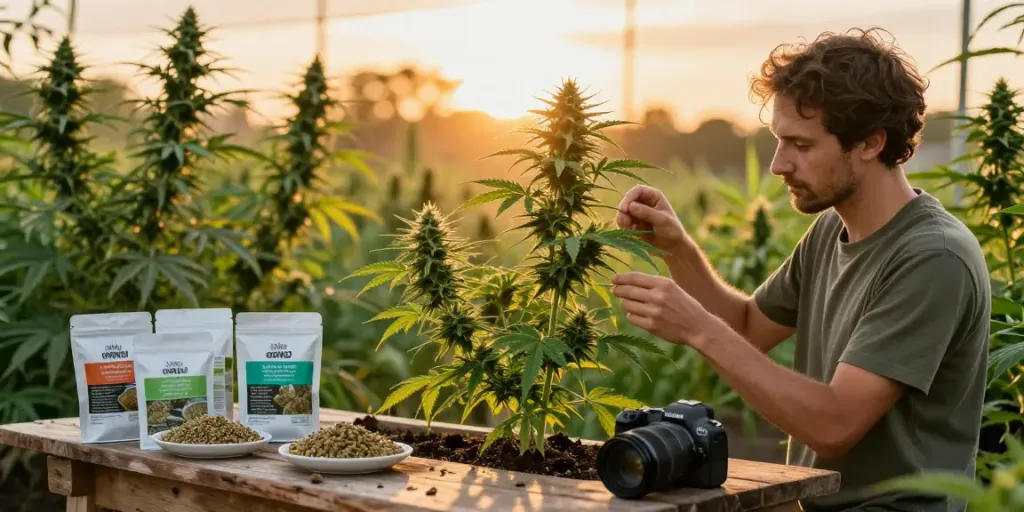
Understanding Regular Seed Genetics
As the cannabis industry evolves, the demand for diverse and robust breeding options has prompted many growers to explore regular seed genetics. Unlike feminized or autoflowering seeds, regular seeds are produced from unaltered parental genetics, offering a balanced mix of male and female plants. This genetic diversity is critical for breeders who need to maintain stable lines while also selecting for desirable traits. When exploring options, regular seed genetics provides comprehensive insights into the traits and potential of this essential seed category.
What Are Regular Cannabis Seeds?
Regular cannabis seeds are the result of traditional breeding practices, which maintain a natural balance between male and female plants. These seeds are not feminized, meaning they can produce both sexes at approximately equal ratios. This characteristic is particularly beneficial for those seeking to breed their own strains or preserve classic genetics.
Characteristics of Regular Seed Genetics
Regular cannabis seeds exhibit several defining characteristics:
- Genetic Diversity: They offer a wide range of genetic variability, allowing for the selection of specific traits such as aroma, potency, and growth structure.
- Photoperiod Sensitivity: Most regular seeds require specific light cycles to trigger flowering, making them suitable for growers looking to control the flowering process.
- Breeding Potential: The presence of male plants allows for traditional breeding practices, enabling the development of new strains with combined traits from different parent plants.
Importance of Male and Female Plants
Having both male and female plants in a grow operation is crucial for successful breeding. Male plants contribute pollen, which can fertilize female flowers to produce seeds. This process allows growers to create hybrids with desired traits. Additionally, evaluating the performance of both sexes can lead to improved strain selection and cultivation techniques. Understanding how to identify and manage male plants is essential for breeders aiming to maintain genetic diversity and secure high-quality yields.
Why Growers Prefer Regular Genetics
Regular cannabis seeds have gained popularity among growers for several reasons, particularly in breeding projects.
Advantages for Breeding Projects
For breeders, regular genetics present a unique advantage. By allowing both male and female plants, growers can create stable hybrid strains that inherit desirable characteristics from both parents. This capability is not available with feminized seeds, which only produce females. The ability to cross-pollinate and create new varieties can lead to unique strains tailored for specific preferences or medicinal purposes.
Evaluating Phenotype Variability
One of the key benefits of growing regular seeds is the ability to evaluate phenotype variability. Each seed has the potential to grow into a plant with unique characteristics, which can be assessed and selected for future breeding. This exploration is crucial for developing strains that thrive in specific environments or exhibit certain beneficial traits. Growers often conduct phenotype hunts to identify standout plants that exhibit qualities worthy of propagation.
Preservation of Genetic Diversity
Regular seeds play a vital role in the preservation of cannabis genetic diversity, which is increasingly important as the industry shifts toward commercial strains. By maintaining a balance of male and female plants, growers can conserve heirloom genetics and traditional strains that might otherwise be lost. This genetic preservation is essential for future breeding efforts and ensuring a broad spectrum of strains remains available.
Regular vs. Feminized vs. Autoflower Seeds
Understanding the differences between regular, feminized, and autoflower seeds is pivotal for any grower looking to optimize their cultivation practices.
Key Differences Explained
The primary differences among these seed types lie in their genetics and the outcomes they produce:
- Regular Seeds: Produce both male and female plants, allowing for breeding and stabilization of traits.
- Feminized Seeds: Are engineered to produce exclusively female plants, ideal for growers focused solely on flower production.
- Autoflower Seeds: Flower based on age rather than light cycles, making them suitable for quick, discreet grows.
Choosing the Right Type for Your Needs
Your choice between these seed types will depend on your specific goals as a grower. If you're interested in breeding or preserving genetic diversity, regular seeds are the way to go. For those focused strictly on production efficiency, feminized seeds may hold the advantage. Meanwhile, autoflower seeds are perfect for growers in regions with shorter growing seasons.
Common Misconceptions About Seed Types
Many misconceptions exist regarding regular seeds, particularly the idea that they are of lesser quality compared to feminized or autoflower seeds. In reality, regular seeds can produce robust and stable plants, and they offer invaluable opportunities for breeding new and unique strains.
Best Practices for Growing Regular Seeds
Successfully cultivating regular cannabis seeds involves understanding optimal growing practices and identifying plant health.
Optimal Cultivation Techniques
To ensure healthy growth, consider the following best practices:
- Soil Quality: Use high-quality soil rich in nutrients to support robust plant health.
- Watering: Be mindful of watering habits; overwatering can lead to mold, while underwatering can stress plants.
- Lighting: Implement an appropriate lighting schedule to encourage healthy vegetative and flowering phases.
Identifying and Managing Male Plants
Part of working with regular seeds involves recognizing male plants. They typically display distinct characteristics, such as the formation of small pollen sacs rather than buds. Effective management of male plants is crucial, especially if your goal is to produce seedless flowers. Regular monitoring during the vegetative stage will allow you to separate males from females at the appropriate time.
Evaluating Plant Health and Vigor
Regularly assess your plants for overall health, looking out for signs of stress or disease. Healthy plants will exhibit vibrant coloration, robust growth patterns, and resilience against pests. Proper nutrition and environmental control will enhance vigor and ultimately contribute to a better yield.
Future Trends in Regular Seed Genetics
As the cannabis industry expands, trends in seed genetics are poised for exciting developments.
Innovations in Breeding Techniques
New breeding techniques, including genomic selection and CRISPR technology, are revolutionizing how cannabis genetics are developed. These innovations allow breeders to achieve specific traits more quickly and efficiently, potentially leading to new strains that meet market demands.
Predictions for 2026 and Beyond
Looking ahead, the landscape of cannabis breeding will likely continue to evolve. Increased interest in therapeutic and specialty strains will drive the demand for regular seeds, as growers seek to explore hybridization and unique genetics. The focus on sustainability may also lead to a resurgence of classic strains and heirloom genetics.
Emerging Strains Worth Monitoring
As we move into 2026, several emerging strains are capturing the attention of growers. These strains often combine robust traits from both male and female parent plants, offering unique aromas and growth patterns. Monitoring these trends will be essential for breeders looking to stay ahead in the industry.
Frequently Asked Questions
- What is the importance of regular seed genetics? Regular seed genetics preserve genetic diversity and provide breeders with the ability to create and stabilize new strains.
- How can I successfully grow regular cannabis seeds? Success lies in understanding best practices for cultivation, including soil quality, watering, and lighting.
- What's the difference between regular and feminized seeds? Regular seeds can produce both male and female plants, while feminized seeds only produce females.
- Can I breed plants from regular seeds? Yes, regular seeds allow for traditional breeding practices, enabling the development of new strains.
- What should I look for in high-quality regular seeds? Look for healthy, stable genetics that exhibit vibrant growth potential and desirable traits.