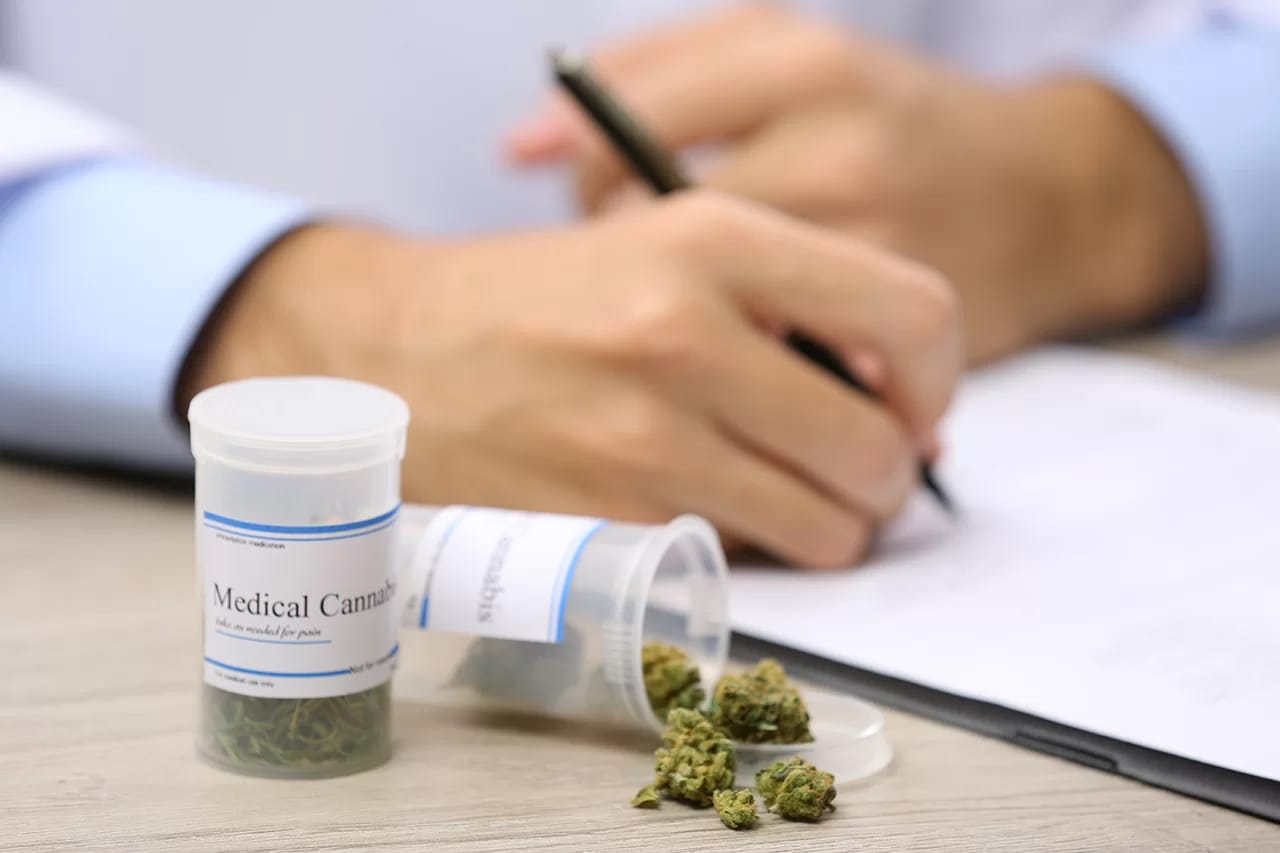
Understanding Pennsylvania’s Medical Cannabis Framework
Pennsylvania has established a comprehensive medical cannabis program that allows qualifying patients to access marijuana products for therapeutic purposes. Since the legalization of medical marijuana in the state, thousands of residents have benefited from regulated access to cannabis products designed to help manage symptoms associated with various medical conditions. Understanding Pennsylvania cannabis laws is essential for anyone considering participation in the program or seeking a medical marijuana card Pennsylvania.
The state's medical marijuana system is designed to balance patient access with public safety. Strict regulations govern cultivation, product testing, dispensary operations, physician certifications, and patient eligibility. These regulations ensure that cannabis products meet quality standards while allowing patients to obtain treatment under professional medical supervision.
For many residents, obtaining a medical marijuana card Pennsylvania represents an opportunity to explore alternative treatment options when traditional therapies have not provided sufficient relief. Learning how the law works and who qualifies can help prospective patients make informed decisions about joining the program.
The Purpose of Pennsylvania’s Medical Marijuana Program
The Pennsylvania Medical Marijuana Program was created to provide patients with legal access to cannabis for specific health conditions. Before the program was established, many individuals struggling with chronic illnesses had limited options for obtaining cannabis legally. The introduction of medical marijuana legislation changed this landscape by creating a regulated system focused on patient care.
The program allows approved patients to purchase medical cannabis products from licensed dispensaries throughout the state. Participation requires compliance with state regulations and approval from a certified healthcare practitioner. As a result, patients who receive a medical marijuana card Pennsylvania gain access to products that have been tested for safety, potency, and consistency.
The law recognizes that cannabis may provide therapeutic benefits for certain conditions and enables patients to use these products under medical guidance. This structured approach helps ensure responsible use while maintaining oversight of the medical marijuana industry.
Who Is Eligible for Medical Marijuana in Pennsylvania?
Eligibility is one of the most important aspects of Pennsylvania cannabis laws. Not every resident automatically qualifies for participation in the medical marijuana program. Instead, applicants must meet specific requirements established by state regulations.
The primary eligibility requirement involves having a qualifying medical condition. Pennsylvania maintains a list of approved conditions that may make a patient eligible for medical cannabis treatment. These conditions include chronic pain, cancer, epilepsy, multiple sclerosis, post-traumatic stress disorder, Parkinson’s disease, inflammatory bowel disease, and several other serious health concerns.
In addition to having a qualifying condition, applicants must be Pennsylvania residents. Proof of residency is required during the registration process. Patients must also undergo an evaluation with a state-certified physician who determines whether medical cannabis is appropriate for their treatment plan.
Meeting these requirements is necessary to obtain a medical marijuana card Pennsylvania and gain legal access to dispensary products.
Qualifying Medical Conditions Explained
Pennsylvania's qualifying conditions are designed to address illnesses and symptoms that significantly impact quality of life. Chronic pain remains one of the most common reasons patients seek participation in the program. Individuals suffering from long-term pain often explore medical cannabis when conventional treatments have proven ineffective or caused unwanted side effects.
Neurological disorders such as epilepsy and multiple sclerosis also qualify under Pennsylvania law. These conditions can create significant physical challenges, and some patients report symptom relief through cannabis-based treatments. Individuals diagnosed with PTSD frequently pursue a medical marijuana card Pennsylvania as part of a broader treatment strategy aimed at improving emotional well-being and symptom management.
Cancer patients may qualify as well, particularly when experiencing treatment-related symptoms such as nausea, appetite loss, or chronic discomfort. The inclusion of diverse qualifying conditions demonstrates the state's recognition of medical cannabis as a potential therapeutic option for a wide range of health challenges.
The Registration Process for Patients
Pennsylvania requires patients to register through the state's official Medical Marijuana Registry before receiving approval. This online system serves as the central platform for managing applications and maintaining patient records.
Registration involves entering personal information and verifying Pennsylvania residency. Once an account is created, patients can schedule appointments with certified physicians who evaluate eligibility for medical cannabis treatment.
The registration process is generally straightforward and can often be completed in less than an hour. However, accuracy is important because errors in personal information can delay approval. Applicants pursuing a medical marijuana card Pennsylvania should carefully review all submitted details to ensure a smooth application experience.
After registration, the patient's online account becomes the primary location for tracking application progress and receiving updates regarding certification and approval status.
The Role of Certified Physicians
A certified physician plays a crucial role in Pennsylvania's medical marijuana system. State law requires patients to receive a medical evaluation from an approved healthcare practitioner before obtaining authorization for cannabis treatment.
During the consultation, the physician reviews the patient's medical history, symptoms, and qualifying condition. The provider then determines whether medical cannabis may offer therapeutic benefits. If appropriate, the physician submits a certification directly into the state's registry system.
This evaluation process helps ensure that a medical marijuana card Pennsylvania is issued only to individuals who meet legal and medical requirements. Physician oversight also supports responsible use by encouraging patients to discuss treatment goals, dosage considerations, and potential risks with qualified healthcare professionals.
The involvement of licensed practitioners distinguishes Pennsylvania's medical marijuana program from recreational cannabis systems and reinforces its focus on patient care.
Legal Protections for Approved Patients
One significant benefit of participating in the medical marijuana program is the legal protection provided to approved patients. Individuals who possess a valid medical marijuana card Pennsylvania may legally purchase approved cannabis products from licensed dispensaries within the state.
These protections help patients access treatment without fear of violating state medical cannabis laws. However, legal protections apply only when patients follow program requirements and comply with all applicable regulations.
Maintaining an active card, purchasing products through authorized dispensaries, and adhering to possession limits are important aspects of remaining compliant. Understanding these responsibilities allows patients to fully benefit from the protections provided under Pennsylvania law.
Purchasing Cannabis from Licensed Dispensaries
Licensed dispensaries are the only legal source of medical cannabis products for approved Pennsylvania patients. These facilities operate under strict regulatory oversight and are required to meet extensive safety and quality standards.
Patients with a medical marijuana card Pennsylvania can visit dispensaries to purchase a variety of products including tinctures, capsules, oils, concentrates, vaporization products, and topical formulations. Each product undergoes testing to ensure quality, consistency, and compliance with state requirements.
Dispensary staff often provide educational support to help patients understand available options and select products that align with their treatment goals. This guidance can be particularly valuable for individuals who are new to medical cannabis and unfamiliar with cannabinoid formulations.
The dispensary system plays a central role in ensuring safe and regulated access for Pennsylvania patients.
Responsibilities of Medical Marijuana Patients
Participation in the program involves certain responsibilities. Patients must use cannabis products in accordance with state laws and physician recommendations. Responsible use helps maximize potential benefits while reducing the likelihood of complications.
Individuals holding a medical marijuana card Pennsylvania should store products securely and keep them out of reach of children and unauthorized individuals. Patients should also remain informed about potential side effects and communicate regularly with healthcare providers regarding treatment outcomes.
Another important responsibility involves renewing certifications and registrations before expiration dates. Failure to maintain active authorization can result in temporary loss of access to dispensaries and legal protections provided under the program.
By understanding and fulfilling these responsibilities, patients can maintain compliance while benefiting from medical cannabis treatment.
How Pennsylvania Laws Continue to Evolve
Cannabis laws continue to evolve across the United States, and Pennsylvania is no exception. Policymakers, healthcare professionals, and patient advocates regularly evaluate the medical marijuana program to identify opportunities for improvement.
As research into cannabis continues to expand, lawmakers may consider adjustments to qualifying conditions, patient access requirements, and program regulations. These developments have the potential to make obtaining a medical marijuana card Pennsylvania even more accessible for qualifying individuals in the future.
Technological advancements such as telehealth have already improved accessibility by allowing patients to complete evaluations remotely. Continued innovation and legislative review may further streamline the patient experience while maintaining strong regulatory oversight.
The ongoing evolution of Pennsylvania cannabis laws reflects growing interest in medical cannabis and increasing recognition of its potential therapeutic applications.
Common Misunderstandings About Eligibility
Many individuals mistakenly assume that any health condition qualifies for medical marijuana treatment. In reality, eligibility is determined by state-approved conditions and physician evaluation. Understanding this distinction helps patients approach the process with realistic expectations.
Another common misconception is that obtaining a medical marijuana card Pennsylvania is difficult or overly complicated. While specific requirements must be met, the process is generally straightforward for qualifying patients. Online registration systems and telehealth appointments have simplified many aspects of enrollment.
Some people also believe that physician certification guarantees immediate access to dispensaries. However, patients must complete state registration requirements and receive official approval before purchasing cannabis products. Awareness of these steps helps reduce confusion and ensures smoother participation in the program.
The Importance of Patient Education
Education remains one of the most valuable tools for patients entering Pennsylvania's medical marijuana program. Understanding legal requirements, eligibility criteria, treatment options, and patient responsibilities can improve the overall experience and promote better health outcomes.
Individuals considering a medical marijuana card Pennsylvania should take time to learn about available products, potential benefits, and proper usage practices. Discussions with healthcare providers and dispensary professionals can provide valuable insights tailored to individual needs.
Patient education also supports compliance with state laws and encourages responsible participation in the medical cannabis community. Informed patients are better equipped to make decisions that align with both legal requirements and personal health goals.
Conclusion
Pennsylvania cannabis laws provide a structured framework that allows qualifying patients to access medical marijuana safely and legally. Through physician oversight, regulated dispensaries, and strict quality standards, the state has created a program focused on patient care and responsible use.
For residents managing qualifying medical conditions, obtaining a medical marijuana card Pennsylvania can provide access to alternative treatment options that may improve quality of life. Understanding eligibility requirements, legal protections, patient responsibilities, and the registration process is essential for successful participation in the program.
As Pennsylvania continues to refine and expand its medical cannabis system, more patients are exploring the benefits of a medical marijuana card Pennsylvania as part of their healthcare journey. By staying informed about current laws and eligibility requirements, individuals can navigate the process confidently and make well-informed decisions regarding medical cannabis treatment.