Understanding the Benefits of CBD
As the wellness industry continues to evolve, the interest in CBD and its potential benefits has reached new heights. CBD, or cannabidiol, is a non-psychoactive compound derived from hemp that interacts with the body’s endocannabinoid system (ECS) to potentially promote balance and wellness. This article explores the myriad benefits of CBD, the various types of products available, and what to consider when choosing CBD or vape products for your personal health journey. When exploring options, leafy market provides comprehensive insights on a variety of offerings.
What Are the Health Benefits of CBD?
CBD has been studied for its potential therapeutic applications, including reducing anxiety and stress, improving sleep quality, alleviating pain and inflammation, and enhancing focus and mental clarity. Research suggests that CBD may help regulate mood and emotional response by influencing serotonin signaling in the brain. Furthermore, for individuals dealing with chronic pain, CBD might offer an alternative by interacting with pain receptors without the side effects associated with traditional pharmaceuticals.
How CBD Supports Holistic Wellness
The holistic benefits of CBD extend beyond mere symptom relief; they may contribute to overall wellness by promoting a healthy lifestyle. CBD can work alongside natural remedies and practices, such as mindfulness, yoga, and nutrition, to foster a balanced lifestyle. Many users report using CBD as part of their daily routine to enhance their mental well-being and physical health, thus supporting holistic wellness.
Scientific Evidence Behind CBD's Therapeutic Effects
Numerous studies have pointed to CBD’s potential efficacy. Research published in journals like the Journal of Experimental Medicine cites its effectiveness in reducing chronic pain in animal models. Additionally, studies have shown CBD’s ability to mitigate anxiety in both human and animal test subjects. It is vital, however, to note that while promising, more research is needed to establish definitive conclusions about its therapeutic effectiveness.
Navigating Different CBD Products
With the increasing variety of CBD products available, consumers may find it challenging to choose which type aligns best with their needs. From oils and tinctures to edibles and vapes, each category offers unique benefits and methods of absorption, ultimately influencing the onset time and longevity of effects.
Types of CBD Products: Oils, Vapes, Edibles
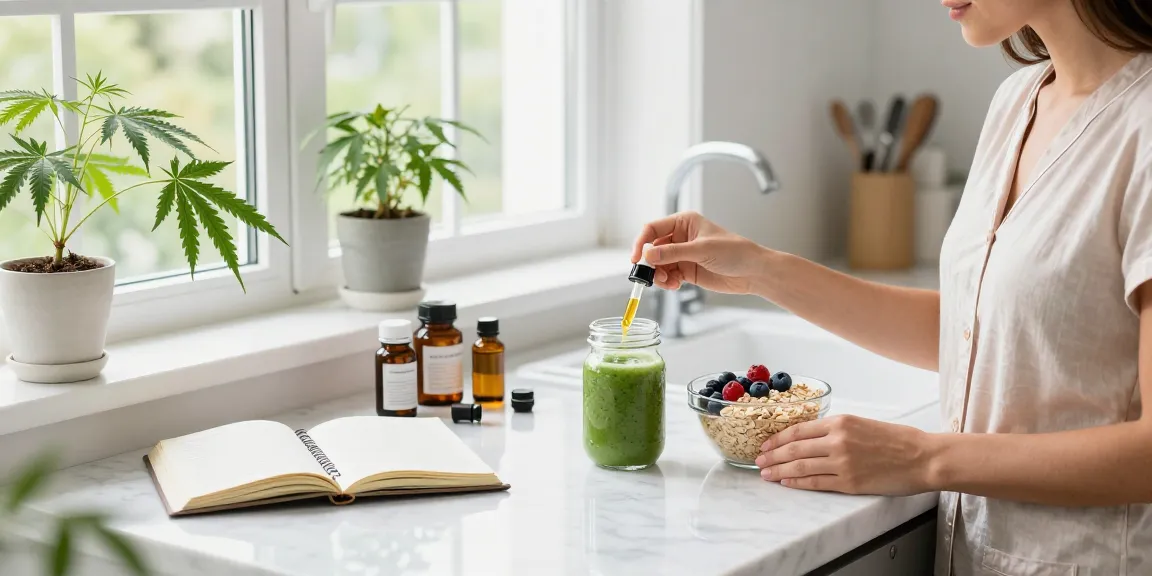
CBD oils and tinctures are popular for their versatility and ease of use. They can be taken sublingually for quick absorption or added to food and beverages. Vapes, on the other hand, provide a fast-acting option for those seeking immediate effects. Edibles, such as gummies or beverages, have a delayed onset due to the digestive processing but may provide longer-lasting relief, making them suitable for prolonged effects.
Choosing the Right Product for Your Needs
Selecting the right CBD product depends on personal preferences and desired effects. For those looking for convenience and discrete use, products like CBD-infused edibles or vape pens may be ideal. Conversely, those interested in precise dosing may prefer tinctures that allow for customizable intake. Understanding your goals—whether it’s managing anxiety, improving sleep, or supporting post-workout recovery—will guide your product choice.
Understanding Delivery Methods and Their Effects
The method of delivery significantly impacts how CBD affects your body. Vaping delivers cannabinoids directly to the bloodstream via the lungs, resulting in fast effects within minutes. In contrast, edibles have to go through digestion, leading to a slower onset but potentially lasting effects that can be beneficial for long-term use. It is important to consider these factors when choosing a delivery method based on lifestyle and personal health goals.
Determining Proper Dosage Guidelines
Finding the right dosage of CBD can be a highly personalized process, influenced by factors such as body weight, metabolism, and individual tolerance. It is crucial to start with a lower dose and gradually increase it until the desired effects are achieved, adhering to the principle commonly known in the CBD community as "start low and go slow."
Calculating the Right Dosage for First-Time Users
First-time users are advised to begin with a dosage around 5-10 mg per day, closely monitoring their response. Adjustments can be made after a week of use based on how one feels. Documenting effects and any side effects can help provide a clear understanding of personal tolerances and efficacy levels.
Titration: Adjusting Your CBD Dosage Safely
Titration refers to the method of gradually adjusting the dosage to find the optimal level for each individual. This process may involve increasing the medium deliverable, such as oil or edibles, by small increments until the effective dose is found, thus ensuring safety and efficacy in use.
Factors Influencing CBD Absorption
Several factors can affect how well CBD is absorbed into the body, including metabolic rate, the method of consumption, and the presence of other foods or compounds. For instance, taking CBD with meals high in fat can enhance its bioavailability, allowing the body to utilize it effectively.
Quality Standards and Certifications for CBD Products
Ensuring that you purchase high-quality CBD products is vital for safety and efficacy. Look for products that provide transparency in their production processes and have third-party testing to verify their content. Certifications such as Good Manufacturing Practices (GMP) are also indicators of quality assurance.
How to Read Certificates of Analysis (COA)
A Certificate of Analysis (COA) is a crucial document that summarizes the testing results for a particular batch of product, detailing potency levels and checking for contaminants like pesticides, heavy metals, and microbes. Understanding how to read these reports can empower consumers to make informed decisions when purchasing CBD products.
Third-Party Testing and What to Look For
Third-party testing ensures unbiased assessment of product quality. Look for COAs that confirm the absence of harmful chemicals and substances while providing thorough information on the cannabinoid profile. This fosters trust and accountability in the market.
Identifying High-Quality CBD Brands
High-quality brands distinguish themselves through transparent practices and certifications. When researching brands, consider those that provide extensive background information, source their hemp from reputable farms, and are open about their extraction methods and formulations.
Legal Compliance and Safety Information
The legal landscape surrounding CBD has evolved significantly with the passage of the 2018 Farm Bill, which legalized hemp-derived products containing less than 0.3% THC at the federal level. However, state regulations vary widely, so it is critical to stay informed about local laws regarding the purchase and consumption of CBD products.
Current Legal Status of CBD in 2026
As of 2026, CBD continues to gain acceptance, yet restrictions can vary from one jurisdiction to another. It is important to research the legal status in your area before purchasing or traveling with CBD products to ensure compliance with local laws.
Safety Considerations and Common Drug Interactions
While generally considered safe, CBD can interact with various medications. It is advisable for individuals on blood thinners or those taking other medications to consult with a healthcare professional before using CBD to mitigate potential interactions.
Best Storage Practices for CBD Products
To maintain the potency and effectiveness of CBD products, proper storage is essential. Keep CBD oils and tinctures in a cool, dark place away from direct sunlight, while edibles should be stored at recommended temperatures to prevent degradation of active compounds.
Frequently Asked Questions
What is the difference between CBD and THC?
CBD and THC (tetrahydrocannabinol) are both cannabinoids found in hemp, but they serve different purposes. THC is psychoactive and is known for the "high" associated with cannabis, while CBD is non-psychoactive, making it a preferable option for those seeking therapeutic effects without intoxication.
How do I ensure the CBD product is lab-tested?
To ensure a CBD product is lab-tested, look for brands that provide COAs on their websites or product packaging. A legitimate brand should have transparent third-party testing practices that verify the cannabinoid content and safety of its products.
Can I use CBD if I'm taking other medications?
It is essential to consult with a healthcare professional before using CBD if you are on medications, especially those that affect liver enzymes, as CBD may interact with certain drugs.
What are the potential side effects of using CBD?
Common side effects associated with CBD usage may include drowsiness, dry mouth, and gastrointestinal changes. Understanding your body’s response can help tailor your use for optimal benefits.
Which CBD products are best for beginners?
For newcomers to the CBD landscape, starting with oils or tinctures is often recommended due to their ease of use and customizable dosing. Additionally, high-quality gummies can provide an enjoyable and consistent experience.