
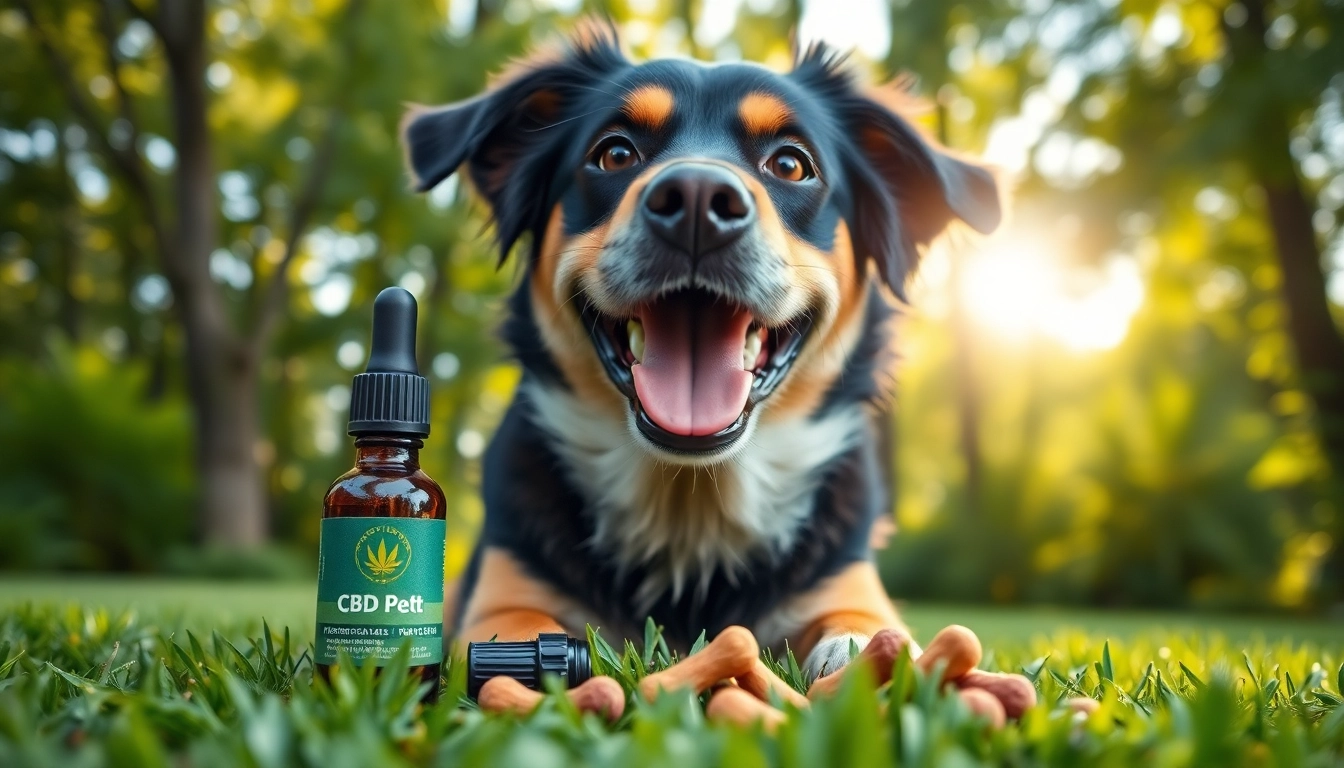
Understanding CBD For Pet: What It Is and How It Works
Defining CBD and Its Role in Pet Health
CBD, short for cannabidiol, is a naturally occurring compound found in the hemp plant. Unlike its more famous cousin, tetrahydrocannabinol (THC), CBD is non-psychoactive, meaning it won’t produce a “high.” Instead, it engages various receptors in the body, particularly the endocannabinoid system (ECS), which is responsible for maintaining homeostasis and regulating a variety of physiological processes.
For pets, the use of CBD has gained traction as owners seek natural alternatives to support their furry friends' health. From alleviating anxiety and promoting joint health to enhancing overall wellness and happiness, the range of benefits attributed to CBD For Pet is compelling. However, as a pet parent, it’s essential to understand what CBD is and how it can work to improve your pet’s quality of life.
How CBD Interacts with Pets' Endocannabinoid Systems
Pets, like humans, possess an endocannabinoid system that plays a vital role in regulating various bodily functions. This complex system consists of cannabinoid receptors (CB1 and CB2), endocannabinoids (naturally produced compounds), and enzymes. When CBD is administered to pets, it interacts with the ECS, helping to modulate various functions such as mood, pain sensation, stress response, and immune function.
Specifically, CB1 receptors are primarily found in the brain and central nervous system, influencing emotional processes and pain perception, while CB2 receptors are located in the immune system and peripheral tissues, reflecting inflammation and discomfort. The interaction of CBD with these receptors can lead to significant improvements in your pet’s overall wellbeing.
Common Myths and Misconceptions About CBD For Pet
Despite the growing popularity of CBD among pet owners, numerous myths persist about its usage and impact on pets. Here are some of the most common misconceptions:
- CBD Gets Pets High: One of the most prevalent myths is that CBD induces a high in pets. In reality, CBD lacks psychoactive properties, thanks to its low THC content or absence thereof in proper formulations.
- All CBD Products Are the Same: There are various types of CBD formulations—full-spectrum, broad-spectrum, and isolate. Each offers different effects, and it is critical for pet owners to choose the appropriate formulation for their pets.
- CBD Is a Cure-All: While CBD can support various health issues in pets, it is not a replacement for veterinary care or treatments. Responsible pet owners should always consult with a veterinarian before starting any new health supplements.
Benefits of CBD For Pet: Why Consider It?
Alleviating Anxiety and Stress in Pets
Anxiety and stress are common issues faced by pets, resulting from various factors such as separation, loud noises, or unfamiliar environments. CBD may help alleviate these symptoms by promoting relaxation without sedation. Research suggests that CBD interacts with serotonin receptors in the brain, positively influencing mood and reducing anxiety levels.
Pet owners report that CBD can help ease behaviors such as excessive barking, destructive chewing, and aggression—ensuring a calmer home environment for both pets and their owners.
Support for Joint Health and Mobility
Joint pain and mobility issues, especially in older pets, can significantly affect their quality of life. CBD has shown promise in reducing inflammation and easing pain. Its anti-inflammatory properties can be beneficial for pets suffering from arthritis and other joint-related issues. Many pet owners have turned to CBD as a natural alternative to medications that may have adverse side effects, such as steroids and non-steroidal anti-inflammatory drugs (NSAIDs).
Additionally, regular use of CBD may aid in maintaining joint flexibility and overall mobility, promoting an active lifestyle for pets.
Promoting Overall Wellness and Happiness
CBD's potential benefits extend beyond anxiety and joint pain management. By promoting a state of homeostasis, CBD can contribute to overall health and happiness in pets. Regular use may enhance appetite, support digestive health, and alleviate nausea. The calming effects can also improve sleep quality, resulting in a more relaxed and rejuvenated pet.
Furthermore, CBD’s antioxidant properties help combat oxidative stress, potentially leading to better skin health and improved immune response, making it a worthwhile addition to any pet wellness regimen.
Choosing the Right CBD For Pet Products
Key Ingredients to Look for in CBD Formulas
When selecting CBD products for pets, quality is paramount. Here are some essential ingredients and attributes to consider:
- Source of Hemp: Look for products made from organic, non-GMO hemp grown in the United States or Europe, ensuring minimal contaminants.
- Full-Spectrum vs. CBD Isolate: Full-spectrum products contain various cannabinoids, terpenes, and flavonoids, providing an entourage effect that may enhance overall efficacy.
- Third-Party Testing: Always choose brands that provide lab results from independent testing, confirming cannabinoid concentrations and absence of harmful substances like pesticides and heavy metals.
Proper Dosage and Administration Techniques
Determining the appropriate CBD dosage for pets requires careful consideration of their weight, health condition, and individual tolerance. Start with a low dose and gradually increase until the desired effect is achieved. It is advisable to consult with a veterinary professional to establish the most effective dosage guidelines tailored to your pet.
CBD can be administered in various forms, including oils, treats, and capsules, allowing flexibility in how it is given. Oils can be placed directly in the pet’s mouth or mixed into their food, while treats offer a more palatable option for picky pets.
Understanding Product Efficacy and Safety
While anecdotal evidence surrounding the benefits of CBD for pets is abundant, scientific research is still in its early stages. It is vital to consider individual product efficacy and safety when introducing CBD to your pet’s regimen. Stick to well-reviewed brands that prioritize transparency and adhere to manufacturing standards.
Be mindful of potential side effects, such as drowsiness or gastrointestinal upset. Monitoring your pet after starting CBD can help identify any adverse reactions, ensuring their comfort and safety.
Integrating CBD For Pet into Your Pet Care Routine
Best Practices for Daily Administration
Incorporating CBD into your pet’s daily routine can be seamless with a few best practices:
- Consistency: Administer CBD at the same time each day to establish a routine and maximize its benefits over time.
- Combine with Meals: If your pet is hesitant to take CBD, mixing it with their food can enhance uptake and improve compliance.
- Observe Changes: Keep notes on your pet's behavior and health changes after starting CBD to assess its effectiveness and make necessary adjustments to the dosage.
Monitoring Your Pet's Response to CBD
Every pet responds to CBD differently. Therefore, it’s crucial to monitor their response closely. Look for changes in behavior, energy levels, appetite, and overall demeanor. Are they more relaxed during stressful situations? Are they moving more comfortably? These observations can guide your decisions on continuing or adjusting CBD use.
Consulting with Your Veterinarian About CBD
Always involve your veterinarian in discussions about introducing CBD to your pet’s care plan. A knowledgeable vet can provide personalized advice based on your pet’s health history and current medications. Their expertise allows for a safer and more informed approach to using CBD.
Research and Future Directions for CBD For Pet
Current Studies and Findings on CBD Use in Pets
Research on CBD's effects in pets is gaining traction, with studies exploring its efficacy for various health issues. Preliminary findings suggest that CBD may help alleviate anxiety, improve mobility in arthritic pets, and provide relief from seizures. As research progresses, further comprehensive studies are expected to yield more intricate insights into the benefits and mechanisms of CBD in veterinary medicine.
The Future of CBD Research in Veterinary Medicine
As regulatory landscapes evolve and more pet owners advocate for natural remedies, the future of CBD research in veterinary medicine looks promising. Studies focusing on long-term impacts, dosing guidelines, optimal formulations, and safety will pave the way for more robust applications in pet healthcare.
Advocating for Regulatory Changes and Safe Use
As the demand for CBD For Pet increases, advocacy for regulatory changes becomes crucial. Distinguishing between quality products and those with dubious origins is necessary to ensure safety and efficacy. Ongoing public education, combined with legislative efforts, can enhance the understanding and acceptance of CBD within pet care.