

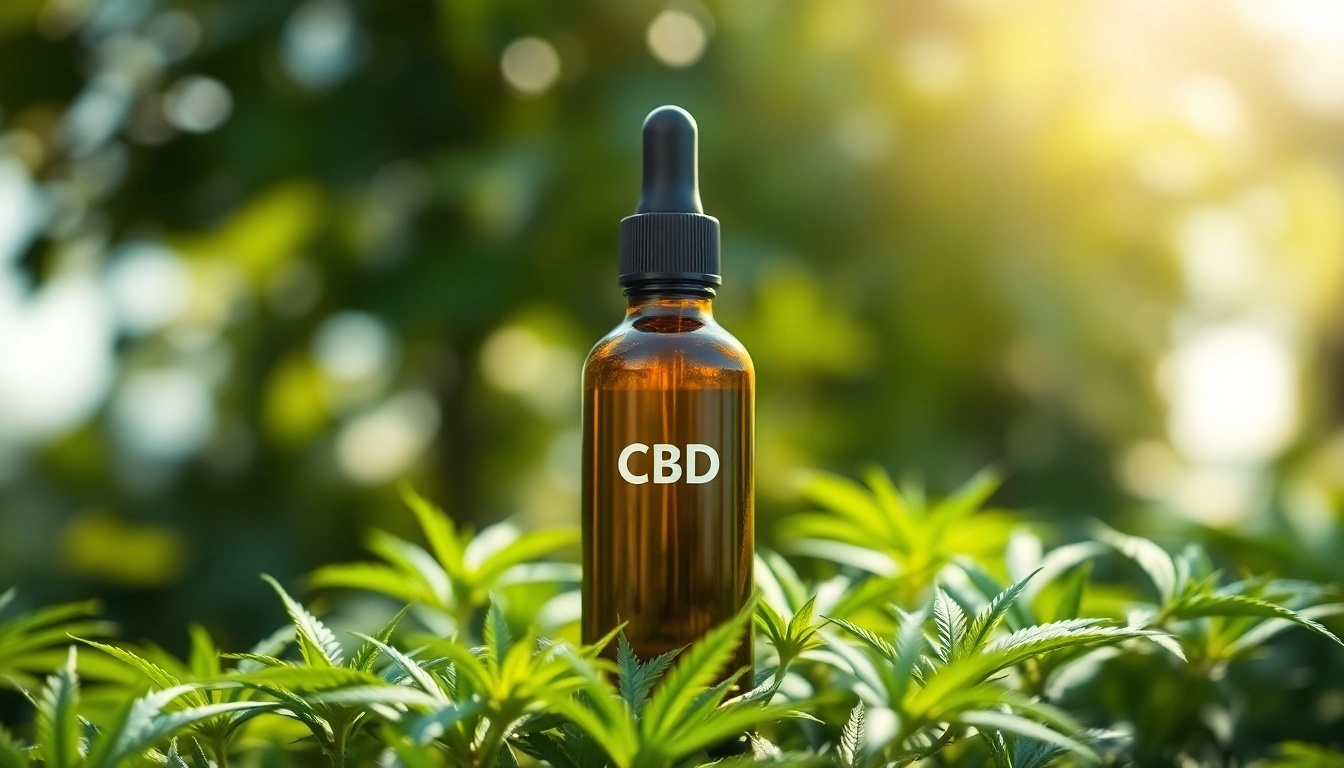
Understanding CBD Oil
What is CBD Oil?
Cannabidiol (CBD) oil is a natural extract derived from the flowers, leaves, and stalks of the cannabis plant, specifically from hemp. Unlike its more famous cousin tetrahydrocannabinol (THC), CBD does not induce psychoactive effects or a “high.” This non-psychoactive characteristic has made CBD Oil increasingly popular among consumers seeking relief from various health concerns without the mind-altering effects associated with THC. As the wellness industry continues to expand, many individuals are exploring the therapeutic potential of CBD Oil to address anxiety, chronic pain, and other ailments.
How is CBD Oil Extracted?
The extraction process of CBD Oil is pivotal in determining its quality and effectiveness. There are several methods utilized to extract CBD, including:
- CO2 Extraction: This is one of the most effective and safest methods. It uses pressurized carbon dioxide to pull CBD and other phytochemicals from the hemp plant. The result is a pure and robust oil free from harmful solvents.
- Solvent Extraction: In this method, solvents like ethanol or butane are used to dissolve the active compounds. While it can be effective, this method runs the risk of residual solvents remaining in the final product.
- Olive Oil Extraction: This traditional method involves using olive oil as a solvent. Although safe, this method does not yield a concentrated product and has a shorter shelf life due to the oil’s organic nature.
Regardless of the extraction method, it is crucial that consumers seek products that have undergone third-party testing to ensure purity and cannabinoid concentration.
The Difference Between CBD Oil and THC
The primary distinction between CBD Oil and THC lies in their respective effects on the human body. While both compounds interact with the endocannabinoid system, they produce different responses:
- CBD (Cannabidiol): As mentioned, CBD does not cause a “high.” It is often utilized for its potential therapeutic properties, including reducing anxiety, alleviating pain, and promoting relaxation.
- THC (Tetrahydrocannabinol): THC is the psychoactive compound that causes the euphoric feeling associated with marijuana. It’s commonly used for recreational purposes but also possesses certain therapeutic benefits.
The Health Benefits of CBD Oil
Reducing Anxiety and Stress
One of the most commonly touted benefits of CBD Oil is its potential to alleviate anxiety and stress. Research indicates that CBD may influence serotonin levels in the brain, which can improve mood and promote feelings of well-being. Various studies have shown that individuals using CBD report decreases in anxiety-related symptoms, making it a potential treatment for anxiety disorders, post-traumatic stress disorder (PTSD), and social anxiety.
Alleviating Pain and Inflammation
CBD Oil has drawn attention for its analgesic properties. It may work by interacting with neurotransmitters and reducing inflammation, thereby addressing pain at its source. Clinical trials and anecdotal evidence suggest that CBD may be helpful in managing chronic pain conditions, such as arthritis, multiple sclerosis, and even treatment-resistant forms of fibromyalgia. Furthermore, CBD Oil is viewed as a promising alternative to opioids, potentially reducing the risk of addiction and dependence.
Supporting Sleep and Relaxation
Many individuals struggle with sleep issues caused by anxiety, pain, or other factors. CBD Oil may promote better sleep quality by addressing the underlying problems that contribute to insomnia. Additionally, CBD is believed to regulate sleep cycles, potentially enhancing overall restfulness and facilitating deeper sleep states. This makes CBD Oil an appealing option for those looking to improve their sleep hygiene naturally.
Using CBD Oil Safely
Recommended Dosages
Determining the right dosage of CBD Oil can be complex, as factors such as body weight, individual body chemistry, and the reason for use significantly influence efficacy. General recommendations often start with low dosages, typically between 5 to 10 mg, and gradually increase until the desired effects are achieved. It is advisable to consult a healthcare professional to establish a personalized dosing regimen, especially for first-time users or those with medical concerns.
Possible Side Effects of CBD Oil
Though generally considered safe, CBD Oil may result in side effects in some individuals. Possible side effects include:
- Fatigue
- Diarrhea
- Changes in appetite
- Dry mouth
Being aware of these potential side effects can help users manage their experience with CBD effectively. If adverse effects persist or worsen, it is essential to discontinue use and consult a healthcare provider.
Interacting with Other Medications
CBD has the potential to interact with various medications due to its effect on cytochrome P450 enzymes that metabolize many drugs. This interaction can affect how medications are processed in the liver, possibly leading to increased effects or side effects of concurrent treatments. Therefore, individuals taking prescription medications should consult their healthcare provider before incorporating CBD Oil into their routine to avoid complications.
Choosing Quality CBD Oil
What to Look for in Labels
When purchasing CBD Oil, quality is paramount. Labels should clearly indicate the type of CBD used (full-spectrum, broad-spectrum, or isolate), the concentration of CBD per serving, and the presence of additional ingredients. Furthermore, look for details about the source of the hemp, such as where it was grown and the farming practices employed, as this can significantly influence the product’s quality.
Importance of Third-Party Testing
Reputable CBD Oil manufacturers will have their products tested by independent laboratories to assess quality and purity. These third-party lab reports (often referred to as Certificates of Analysis or COAs) confirm that the product contains the listed amount of CBD and is free from harmful contaminants like pesticides, heavy metals, and solvents. Before purchasing, checking for accessible COAs is essential for ensuring product safety and quality.
Understanding CBD Oil Types: Full-Spectrum vs. Isolate
CBD Oil comes in several forms, primarily categorized as full-spectrum, broad-spectrum, or isolate:
- Full-Spectrum CBD: Contains all compounds found in the hemp plant, including small amounts of THC (below 0.3%), terpenes, and flavonoids. This “entourage effect” is believed to enhance the therapeutic benefits of CBD.
- Broad-Spectrum CBD: Similar to full-spectrum but without THC. It also retains other beneficial compounds, offering an array of health benefits without the psychoactive effects of THC.
- CBD Isolate: This is the purest form of CBD, containing no other cannabinoids or compounds. While it offers the definitive benefits of CBD, it lacks the potential synergistic effects of other plant ingredients.
Future of CBD Oil in Wellness
Emerging Research and Trends
The interest in CBD Oil has spurred a wave of research aimed at unlocking its plethora of potential benefits. As studies continue to explore its role in various health conditions, there may be more clarity on optimal dosages and applications. Future research may also address how CBD interacts with different demographics, paving the way for tailored treatments and formulations that cater to individual needs.
The Role of CBD Oil in Holistic Health
CBD Oil is gradually finding its place in holistic health approaches, being integrated into practices aimed at treating the mind and body as a whole. Its potential to mitigate stress, improve sleep quality, and relieve pain aligns well with holistic principles that prioritize balance and wellness. As more individuals seek natural alternatives to traditional therapies, CBD Oil may become a staple in holistic wellness regimens.
Potential Regulatory Changes
The regulatory landscape surrounding CBD is continuously evolving. As research substantiates its benefits, there may be shifts in legislation impacting the production, distribution, and sale of CBD products. Remaining informed about these changes is crucial for consumers and businesses alike, as future regulations will likely dictate product formulations, labeling requirements, and potential marketing practices.