

1. Introduction to Sports Broadcasting
1.1 Overview of Sports Broadcasting
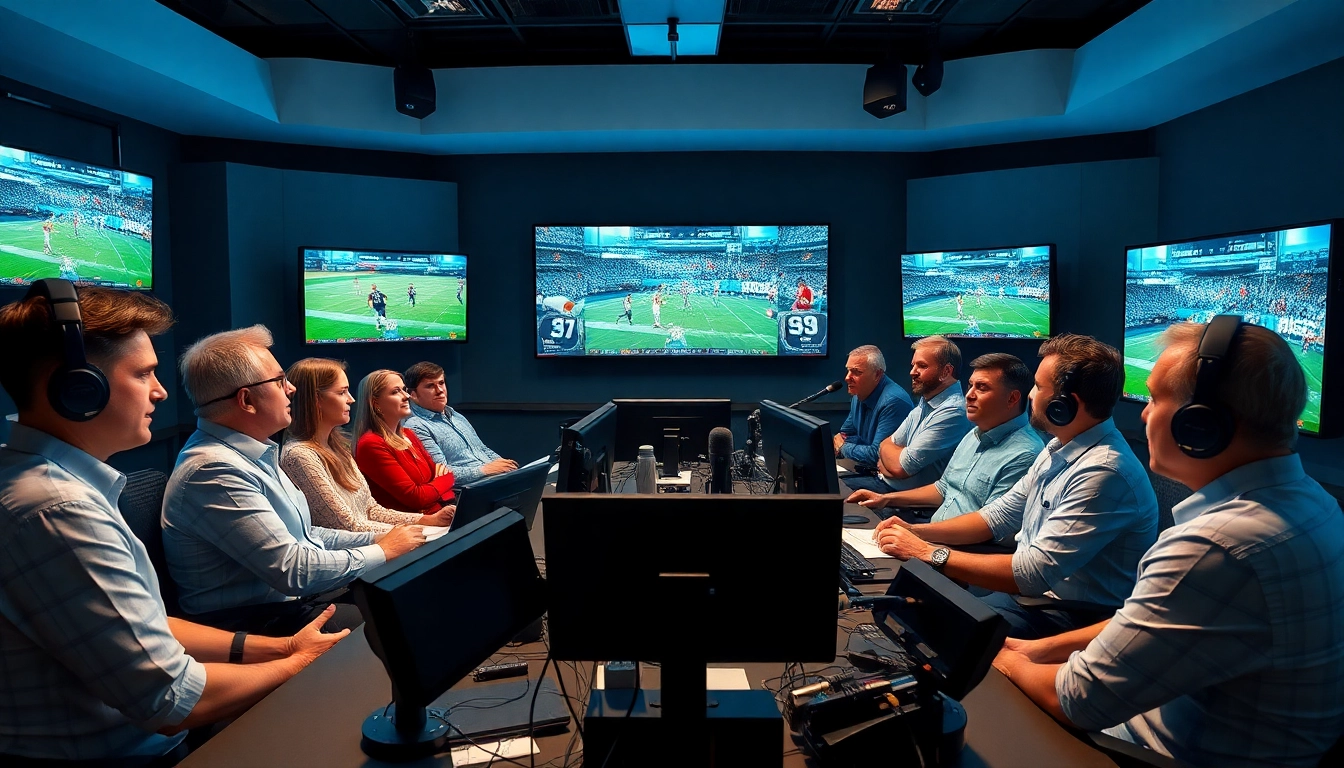
Sports broadcasting is a specialized field focused on delivering live and recorded sports events, commentary, and analysis to audiences via various media channels. This practice has evolved significantly over the years, offering fans real-time access to their favorite sports, enhancing their viewing experience. With the advent of technology, the landscape of sports broadcasting has transformed drastically, with platforms catering to both traditional and digital viewers. As a pivotal component of the sports industry, Sports Broadcasting integrates the excitement of live events with in-depth analysis, making it essential for fan engagement and revenue generation.
1.2 Historical Development of Sports Broadcasting
The roots of sports broadcasting can be traced back to the early 20th century, when radio became the first medium to deliver sports events live. The significant moment of live sports broadcast occurred in 1921 with a boxing match between Jack Dempsey and Georges Carpentier. Progressing to television in the 1930s, sports broadcasting gained popularity, culminating in the first televised baseball game in 1939. The explosion of cable television in the 1980s enabled niche sports to flourish, while the late 20th and early 21st centuries saw digital platforms emerge, allowing viewers to consume sports content anytime, anywhere.
1.3 Importance of Sports Broadcasting Today
Today, sports broadcasting plays a critical role in the sports ecosystem. It serves as the primary avenue for sports consumption, drives fan engagement, and fosters community connections among fans. With the ability to reach millions of viewers across varied platforms, sports broadcasting contributes significantly to the financial success of sports leagues and teams. Moreover, it creates a unique space for storytelling, enabling fans to experience the emotional highs and lows of sporting events in real-time.
2. Key Elements of Sports Broadcasting
2.1 Essential Equipment for Sports Broadcasting
Effective sports broadcasting relies heavily on specialized equipment to ensure high-quality coverage. Key equipment includes:
- Cameras: High-definition cameras are crucial for capturing live action. Multi-camera setups ensure various angles and close-ups, enhancing viewer engagement.
- Audio equipment: Microphones, including lavalier and handheld types, are essential for capturing both commentary and crowd reactions.
- Broadcasting software: Advanced software enables integration of graphics, stats, and replays, providing viewers with informative content during live broadcasts.
- Transmission technology: This includes satellite links and streaming technology, ensuring seamless delivery of content to various devices.
2.2 Critical Skills for Broadcasters
A successful broadcaster must possess a combination of technical and interpersonal skills:
- Communication Skills: Clear and engaging communication is vital for delivering commentary and analysis effectively.
- Analytical Skills: Broadcasters must quickly analyze game dynamics and statistics to provide insightful commentary that enhances viewer understanding.
- Technical Proficiency: Familiarity with broadcasting equipment and software is essential to manage live transfers and maintain broadcast quality.
- Adaptability: Sports are unpredictable; broadcasters must be prepared to improvise in real-time, handling unexpected events or technical difficulties seamlessly.
2.3 Understanding Audience Engagement in Sports Broadcasting
Engaging an audience requires understanding their preferences and behaviors. Broadcasters can utilize several strategies to enhance audience interaction:
- Interactive Content: Incorporating polls, quizzes, or live Q&A sessions during broadcasts keeps viewers engaged and invested.
- Social Media Integration: Actively engaging with fans on social media platforms encourages real-time discussions and amplifies the reach of broadcasts.
- Customized Experiences: Offering personalized content based on viewer interests can significantly increase engagement levels.
3. Modern Trends in Sports Broadcasting
3.1 The Rise of Digital Streaming Platforms
The emergence of digital streaming platforms has disrupted traditional sports broadcasting models. With services like ESPN+, DAZN, and others, audiences can access a wide range of sports content on-demand. This shift reflects consumer preferences for flexibility, allowing viewers to choose when and how to enjoy their favorite sports. Streaming offers opportunities for broadcasters to engage niche audiences through targeted content, surpassing the limitations of conventional television broadcasts.
3.2 Integration of Social Media in Sports Broadcasting
Today, social media channels are pivotal in shaping how sports content is consumed and shared. Broadcasters leverage platforms such as Twitter, Facebook, and Instagram to create promotional content, share highlights, and foster community involvement. This integration promotes interactive dialogue during broadcasts, allowing audiences to participate in discussions and share their views instantly. As such, social media has become an indispensable tool in expanding the reach of sports broadcasts and enriching viewer experiences.
3.3 Innovations in Broadcasting Technology
Technological advancements continuously shape sports broadcasting. Innovations like virtual reality (VR) and augmented reality (AR) are enhancing viewer engagement by providing immersive experiences. For instance, VR enables fans to feel as though they’re part of a live event, while AR overlays relevant statistics and visuals during broadcasts. Such advancements are not only enhancing viewer experiences but also providing broadcasters with new ways to incorporate data and storytelling into their coverage.
4. Challenges in the Sports Broadcasting Industry
4.1 Navigating Legal and Ethical Issues
Sports broadcasters must navigate various legal and ethical issues, including copyright laws and fair usage regulations. Restrictive broadcasting rights can limit coverage options, presenting challenges in providing comprehensive event analysis. Adhering to ethical standards, such as avoiding bias and maintaining objectivity, is essential for preserving the integrity of broadcasts while respecting the rights of individuals involved in events.
4.2 Competition in a Saturated Market
The sports broadcasting market is increasingly saturated, with numerous outlets vying for viewers’ attention. Broadcasters face the constant pressure of differentiating themselves through unique content delivery and innovative engagement strategies. Staying ahead of competition necessitates continuous adaptation to emerging trends and audience preferences to capture and maintain viewership.
4.3 Adapting to Viewer Preferences
As viewer preferences evolve, broadcasters must prioritize flexibility and adaptability in their content delivery. Offering customizable viewing options—such as alternative commentary styles or interactive features—can enhance viewer satisfaction. Data analytics may also be employed to gain insights into viewing habits, enabling broadcasters to tailor their offerings to meet the demands of diverse audience segments.
5. Future of Sports Broadcasting
5.1 Emerging Trends to Watch
The future of sports broadcasting is poised for further transformation with several emerging trends. Personalization and interactivity are set to dominate the landscape as viewers increasingly seek tailored experiences. Enhanced analytics capabilities will allow for richer discussions and deeper insights into performances. Furthermore, as the lines between esports and traditional sports blur, opportunities for cross-over content will rise, presenting new challenges and potentials for broadcasters to explore.
5.2 The Role of Artificial Intelligence in Sports Broadcasting
AI technology is beginning to play a crucial role in sports broadcasting, with its ability to analyze vast amounts of data quickly and efficiently. AI can automate certain broadcasting tasks, such as real-time commentary generation or insights report creation, significantly enhancing the efficiency of broadcasting operations. Additionally, AI-driven recommendations for content can foster deeper viewer engagement by delivering personalized content suggestions.
5.3 Predictions for the Industry’s Evolution
In the coming years, we can expect a more refined integration of advanced technologies into sports broadcasting. The evolution of 5G networks promises higher-quality streaming with decreased latency, allowing for real-time engagement. As the media landscape continues to evolve, the role of sports broadcasters as storytellers will further develop, ensuring their relevance in an ever-changing digital environment.
Frequently Asked Questions (FAQ)
What is sports broadcasting?
Sports broadcasting refers to the live coverage and presentation of sports events through various media, including television, radio, and online platforms.
How has sports broadcasting evolved?
It has evolved from simple radio broadcasts to complex multi-platform experiences, integrating digital streaming and social media for enhanced viewer engagement.
What skills do sports broadcasters need?
Critical skills include communication, analytical abilities, technical proficiency, and adaptability to handle dynamic sports environments.
What technologies are changing sports broadcasting?
Technologies like VR, AR, and AI are reshaping sports broadcasting, enhancing viewer experiences and improving broadcast efficiency.
What does the future hold for sports broadcasting?
The future will likely see more personalized content, advanced analytics, and greater integration of new technologies to enhance viewer engagement.